Agriculture and the Golden Triangle
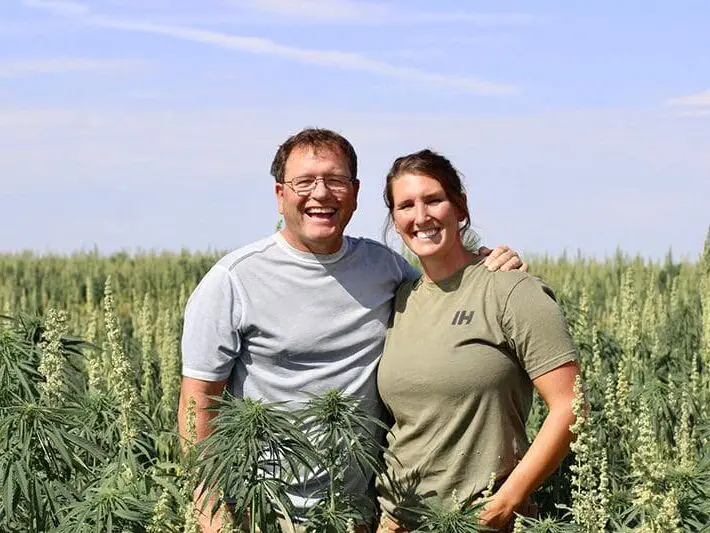
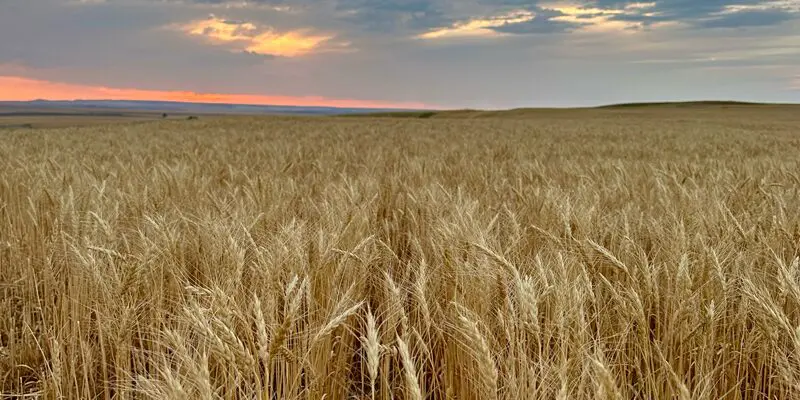
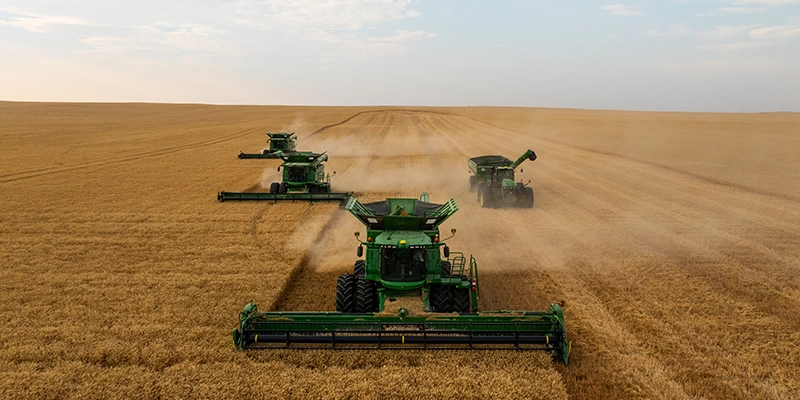
The land surrounding Fort Benton is part of Montana’s Golden Triangle, one of the most productive wheat-growing regions in the world. Here, agriculture isn’t just an industry—it’s a way of life that has shaped the landscape, economy, and community for generations.
The Landscape
Today
Wide fields of wheat, open prairie, and working ranches stretch in every direction. The same expansive views that draw visitors are also what make this region ideal for farming and ranching.
After the steamboat era faded, agriculture helped sustain Fort Benton—and it continues to define the area today. Depending on the season, you may see planting, harvest, or livestock operations in motion. You don’t need a tour to experience this part of Fort Benton. Simply driving the roads outside of town offers a firsthand look at the scale and beauty of the region—especially during planting and harvest seasons.
Farming in a
Dry Climate
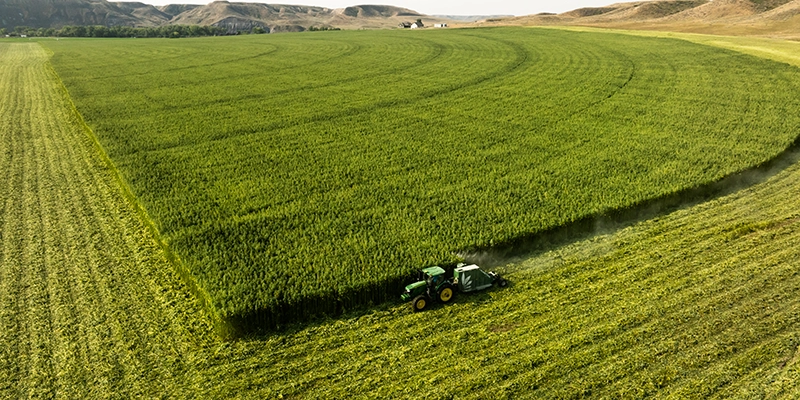
Farming here comes with challenges. With relatively low rainfall, many producers rely on dryland farming techniques—using innovation, soil management, and careful planning to grow crops successfully in a semi-arid climate.
Crop rotation plays an important role in maintaining healthy soils. Alongside wheat, you’ll find a variety of crops grown across the region, including:
It’s a system built on adaptability, resilience, and long-term stewardship of the land.
Ranching &
Open Range
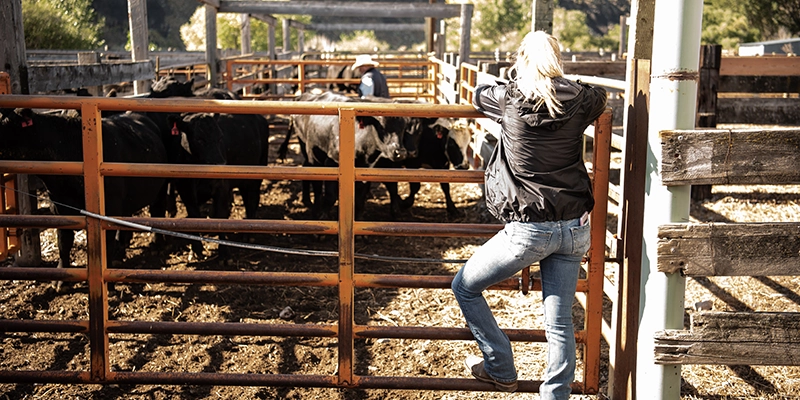
Cattle ranching is equally important to the region, with herds grazing across wide stretches of prairie. The open landscape, native grasses, and seasonal rhythms make this an ideal place for ranching—continuing a tradition that has been part of this area for generations.
Local Agriculture &
Innovation
Visitors can connect with the region’s agricultural story through local businesses.
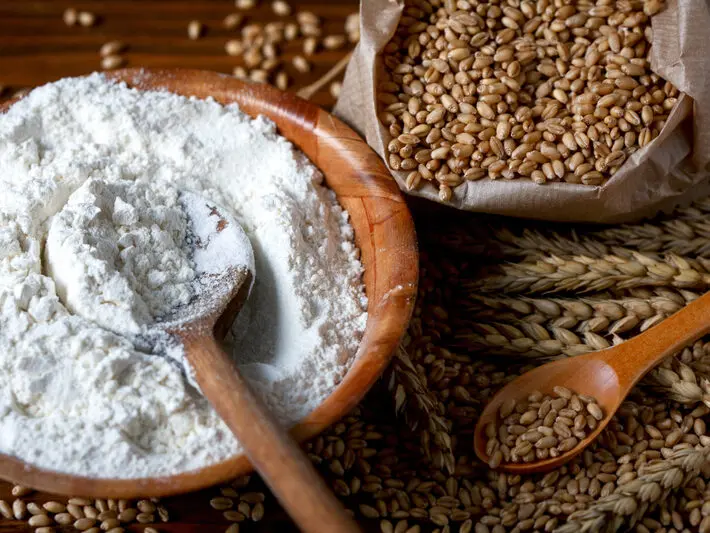
Montana Flour & Grains