
About Fort Benton
How does Fort Benton get to call itself the Birthplace of Montana?
We’re glad you asked.
Long before Montana was a state, Fort Benton was already a crossroads. Traders, trappers, steamboats, explorers, and homesteaders all passed through this bend in the Missouri River, carrying goods, stories, and ambition westward. What began as a fur trading post grew into the most important river port in the Upper Missouri—and a place where the future of the region took shape.
The River & The
Port
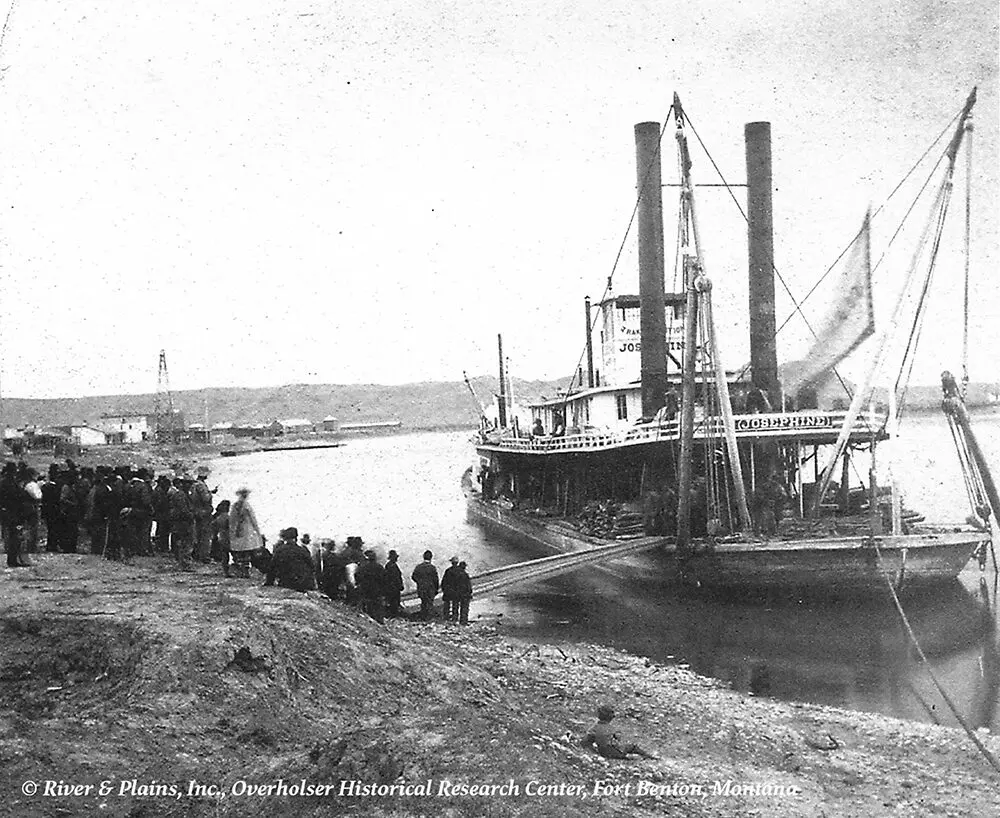
For decades, steamboats traveled farther up the Missouri River than anywhere else in the country, earning Fort Benton its reputation as the world’s innermost port. Shallow waters and the Great Falls of the Missouri upstream meant that Fort Benton was the final stopping point for river shipping.
Trail, Trade, &
Trouble
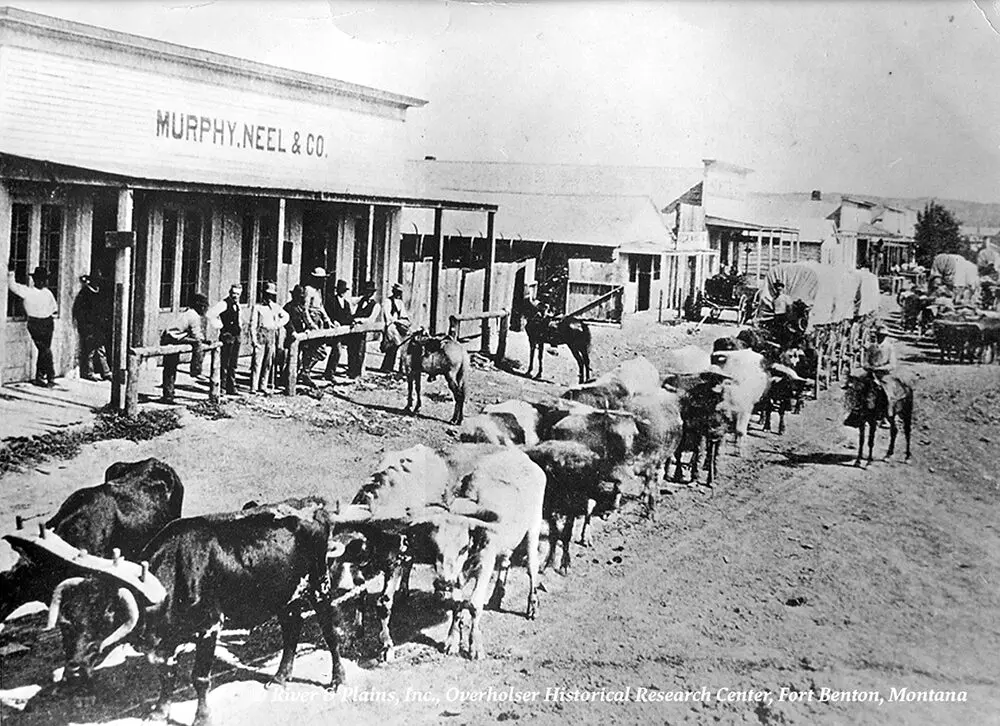
Fort Benton grew where river travel met overland trails. Traders, soldiers, explorers, and homesteaders all passed through, crossing paths in a place that was busy, unpredictable, and often rough around the edges.
Trade brought wealth. Whiskey brought trouble. At its height, Front Street earned the nickname “the Bloodiest Block in the West,” a reminder that this frontier town was shaped as much by conflict as by opportunity. Trails reaching west, north, and south connected Fort Benton to the wider world—and helped define the character of the early West.
Steamboats to
Railroads
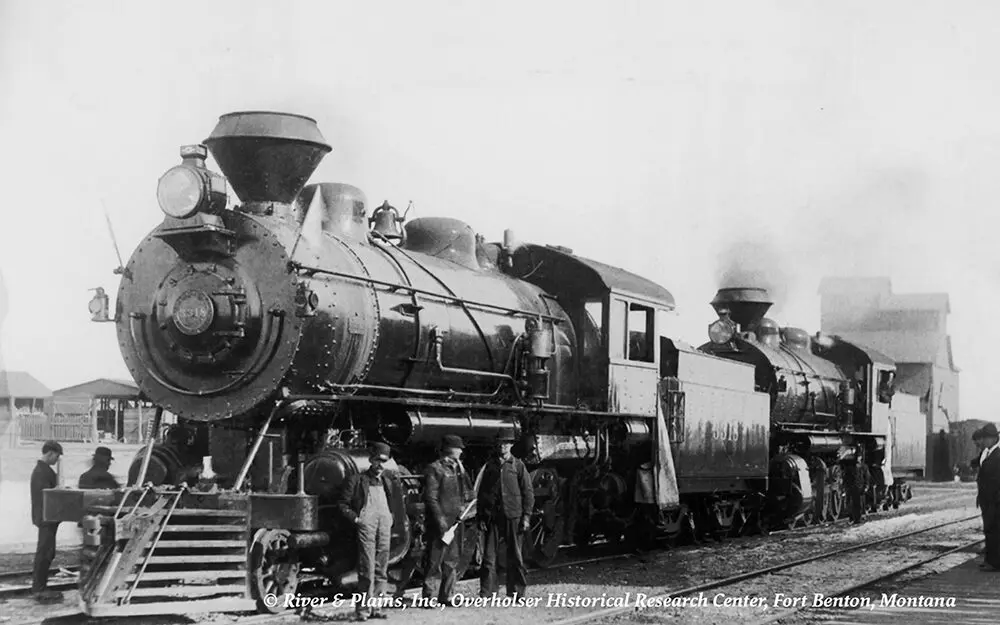
For nearly thirty years, steamboats powered Fort Benton’s growth. Then the railroad arrived, and river traffic faded.
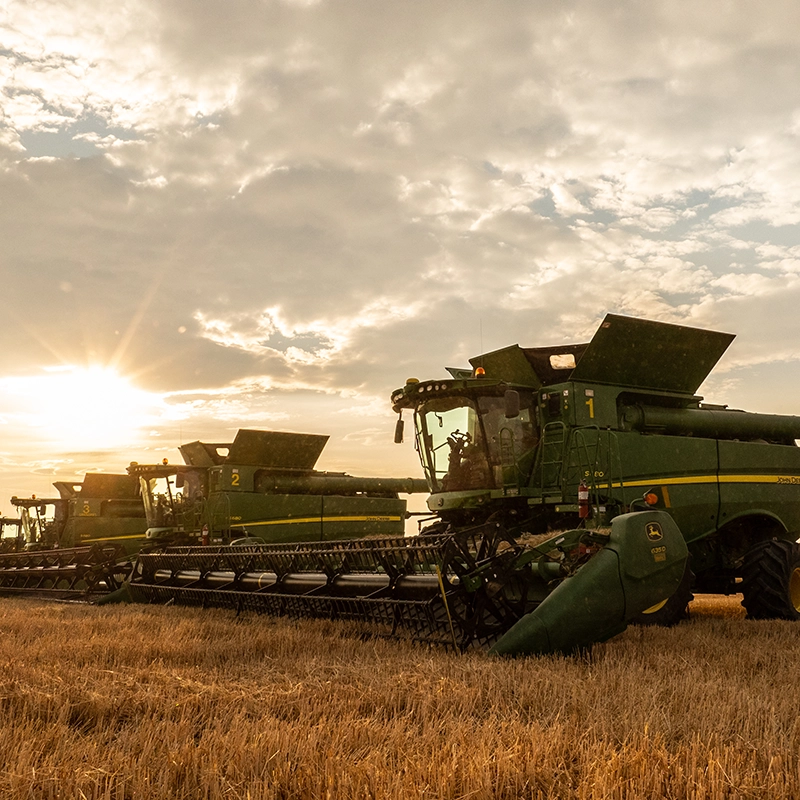
What followed wasn’t abandonment, but adaptation. As transportation routes shifted, agriculture took root as Fort Benton’s economic backbone. Surrounded by the Golden Triangle—one of the most productive wheat-growing regions in the world—the town remained active, resilient, and connected to the land.
That continuity helped Fort Benton hold onto its buildings, streets, and sense of place, even as many frontier towns disappeared or reinvented themselves entirely.
Why It Still
Matters
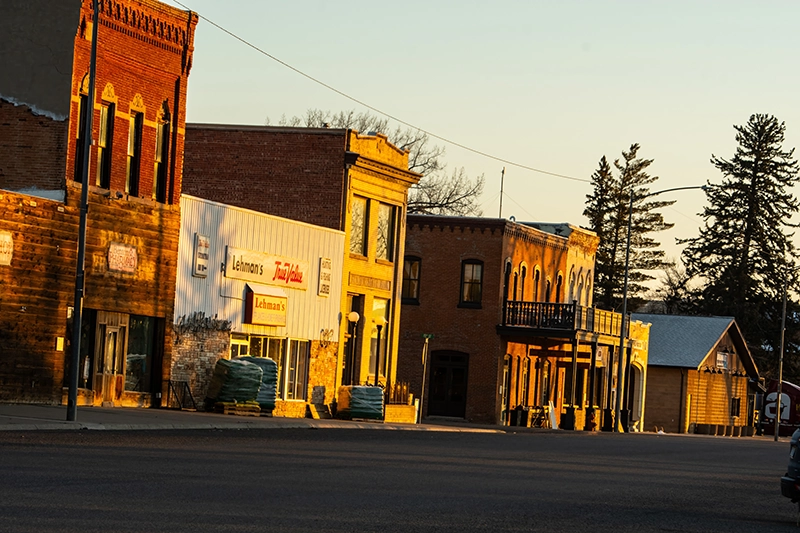
Today, Fort Benton is a National Historic Landmark, but it’s also a living community shaped by its past. The stories here aren’t confined to museums or plaques—they’re part of the landscape, the architecture, and the people who call this place home. History isn’t tucked away here—it’s part of everyday life.
Walking the levee, exploring the historic district, or spending time along the river offers more than a glimpse into history—it offers perspective. Fort Benton reminds visitors that Montana’s story didn’t begin in a rush. It unfolded here, one river bend, one trail, and one decision at a time.
Give yourself more than an hour or two. Fort Benton rewards those who take the time to listen.

Trails That Converged Here
Lewis & Clark National Historic Trail
Following the Corps of Discovery through the Upper Missouri River corridor.
Nez Perce National Historic Trail
Tracing the 1877 flight of the Nez Perce people toward Canada.
A trade route linking Fort Benton to Canadian markets and settlements.
A military wagon road connecting the Missouri River to the Pacific Northwest.
Connecting frontier forts across early Montana.
After the river era faded, agriculture is what sustained and still defines this place.
Explore Fort Benton’s museums, walking tours, and riverfront to experience the story for yourself.